
Skip to content
NorthPine: Upper Midwest Broadcasting
Menu
  • REGIONS
    • Iowa
    • Manitoba
    • Michigan’s UP
    • Minnesota
      • Twin Cities
    • Nebraska
    • North Dakota
    • NW Ontario
    • South Dakota
    • Wisconsin
  • FEATURES
    • Ask NorthPine
    • Data
    • FCC Monitor
    • History
    • Newsroom Notes
    • Off Topic
    • Weekly Log
  • TOPICS
    • Affiliation changes
    • DTV subchannels
    • Format changes
    • New stations
    • People
    • Public Media
    • Retransmission Consent
    • Station sales
  • Radio Stations
    • Iowa
    • Manitoba
    • Michigan’s UP
    • Minnesota
    • Nebraska
    • North Dakota
    • NW Ontario
    • South Dakota
    • Wisconsin
  • TV Markets
    • Iowa
    • Michigan’s UP
    • Minnesota
    • Nebraska
    • North Dakota
    • South Dakota
    • Wisconsin
  • See Also
    • Other Media Coverage
    • All-Christmas Stations
    • More Info
    • FCCdata.org
    • Radio-Locator
    • FCC LMS
    • RadioInsight
    • Radio/DX Info from Wis.
    • DX-midAMerica
    • TVNewsCheck
    • Broadcasting & Cable
  • About
  • Tip Jar
Menu

Ask NorthPine: Did the Upper Midwest Have UHF “Islands?”

Posted on July 13, 2022 by Jon Ellis

A random question for you, were there every any UHF “islands” in the Upper Midwest? That is, in the analog days, cities/markets that were served entirely by UHF stations?

Those who have grown up in the digital age may not realize the distinction between VHF and UHF.

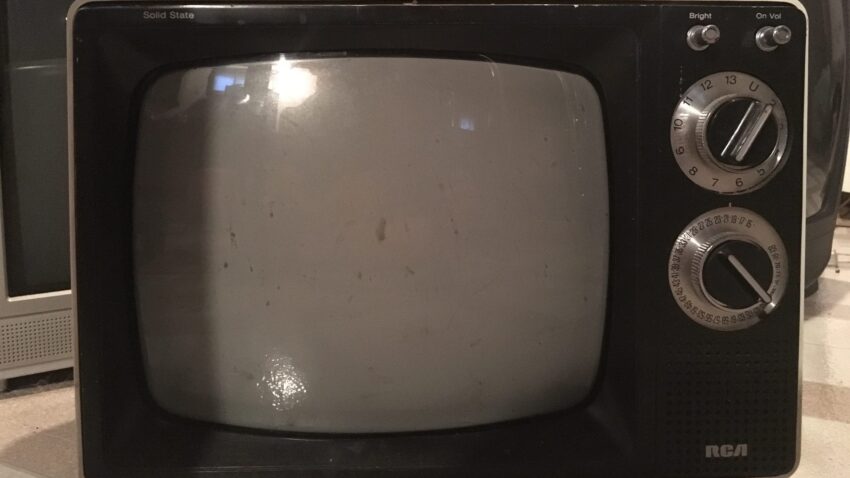
UHF is RF channels 14 and up. In the analog era, UHF stations transmitted with up to 5,000kW but still had smaller coverage areas and were harder to receive than VHF stations on channels 2 to 13.

A few places like Peoria, Illinois, became UHF “islands” because nearby larger cities used all of the available VHF channels. Peoria did originally have a channel 8, but it was moved to the Quad Cities.

There were no true UHF “islands” in the Upper Midwest. The city that came closest was Madison, which had one station on VHF and several more on UHF, the same as neighboring Rockford, Illinois.

In the digital era, UHF signals have proven to be the best place for digital TV broadcasting. Some stations that ended up with VHF digital facilities have sought UHF translators or complete moves to the UHF band.

Madison became an all-UHF market as a result of the digital conversion in 2009. However, the spectrum auction changed that again when one station opted to accept a payment to move back to VHF.

After that conversion, there is one true all-UHF market in the Upper Midwest: Omaha. Green Bay is also poised to become an all-UHF market with the pending move of WLUK/11.1 from RF channel 12 to 18.

With the known problems of VHF digital TV reception, maybe we’ll hear people start talking about VHF “islands.” One city that might almost qualify is Des Moines, where four full-power stations transmit on VHF, more than any other city in the Upper Midwest.

Latest Posts

  • Rhythmic Adult Contemporary Format Launches in Winnipeg
  • FCC Monitor: Central Minnesota AM Station Back to Full Power
  • Waiver Sought to Restore Historic Three-Letter Callsign
  • Weekly Log: Lineup Changes at Two Twin Cities Talk Stations
  • Radio Group in North-Central Iowa Adds Two Stations
  • Civic Media Station in SW Wis. Flips from Talk to Oldies
  • FCC Monitor: Rincon TV Sale Approved, Iowa FM Changes Frequency
  • Newer Music Reaches Nebraska’s “Island” Following Sale
  • Weekly Log: Twin Cities Morning Host Adds Afternoon Show
  • Milwaukee Black Media Trust to Run Radio Stations, Newspaper

Search FCC Database


1996-2018 news archive Facebook logo
©2026 NorthPine: Upper Midwest Broadcasting | Design: Newspaperly WordPress Theme